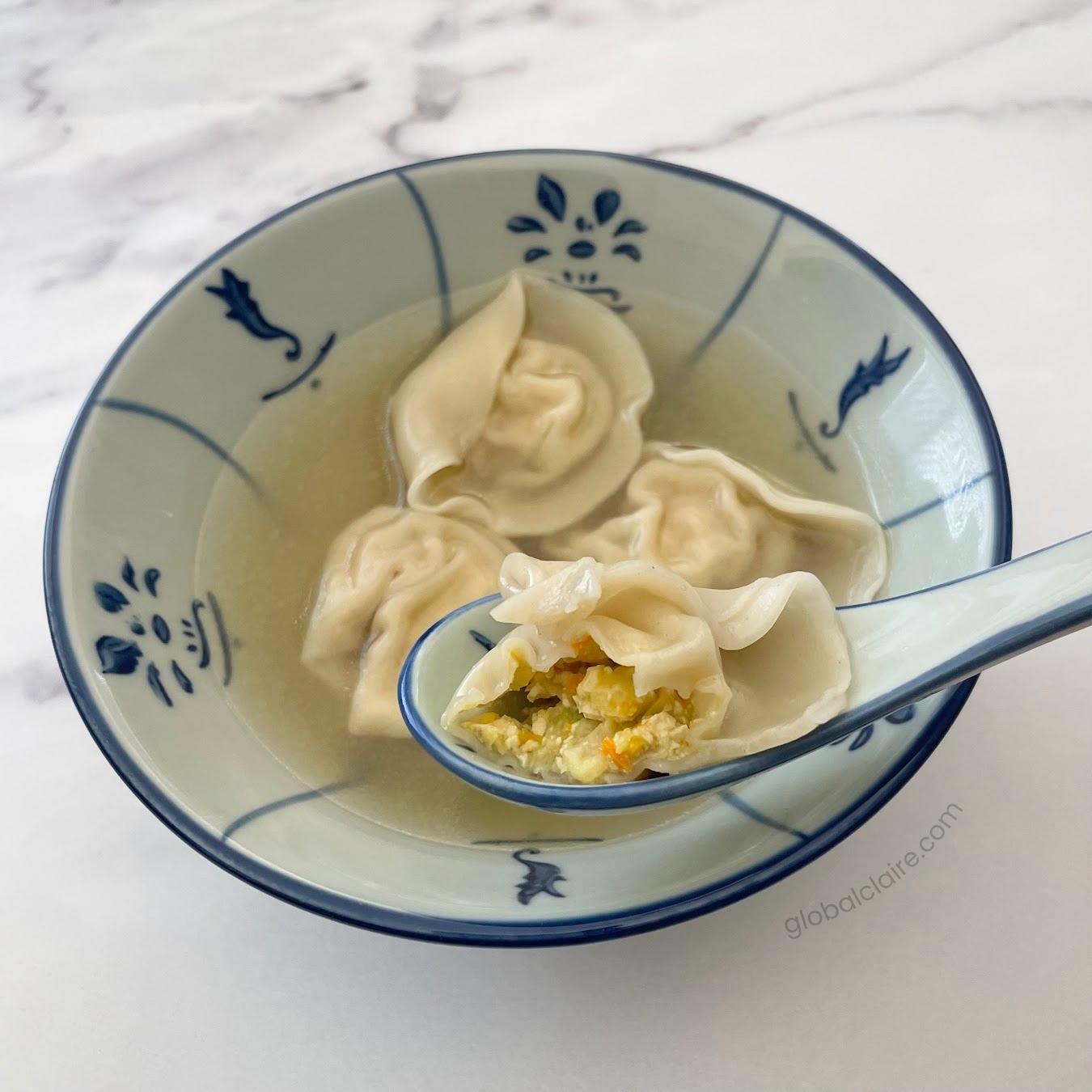
For these wontons, we’ll be using a mixture of tofu, mushrooms, and vegetables to create a umami and protein-packed dumpling. I use these wontons in my Wonton Noodle Soup recipe. Note that wontons are usually served in a soup/dressed in a sauce, otherwise they will stick to a bowl/plate and rip the wrapper skin.
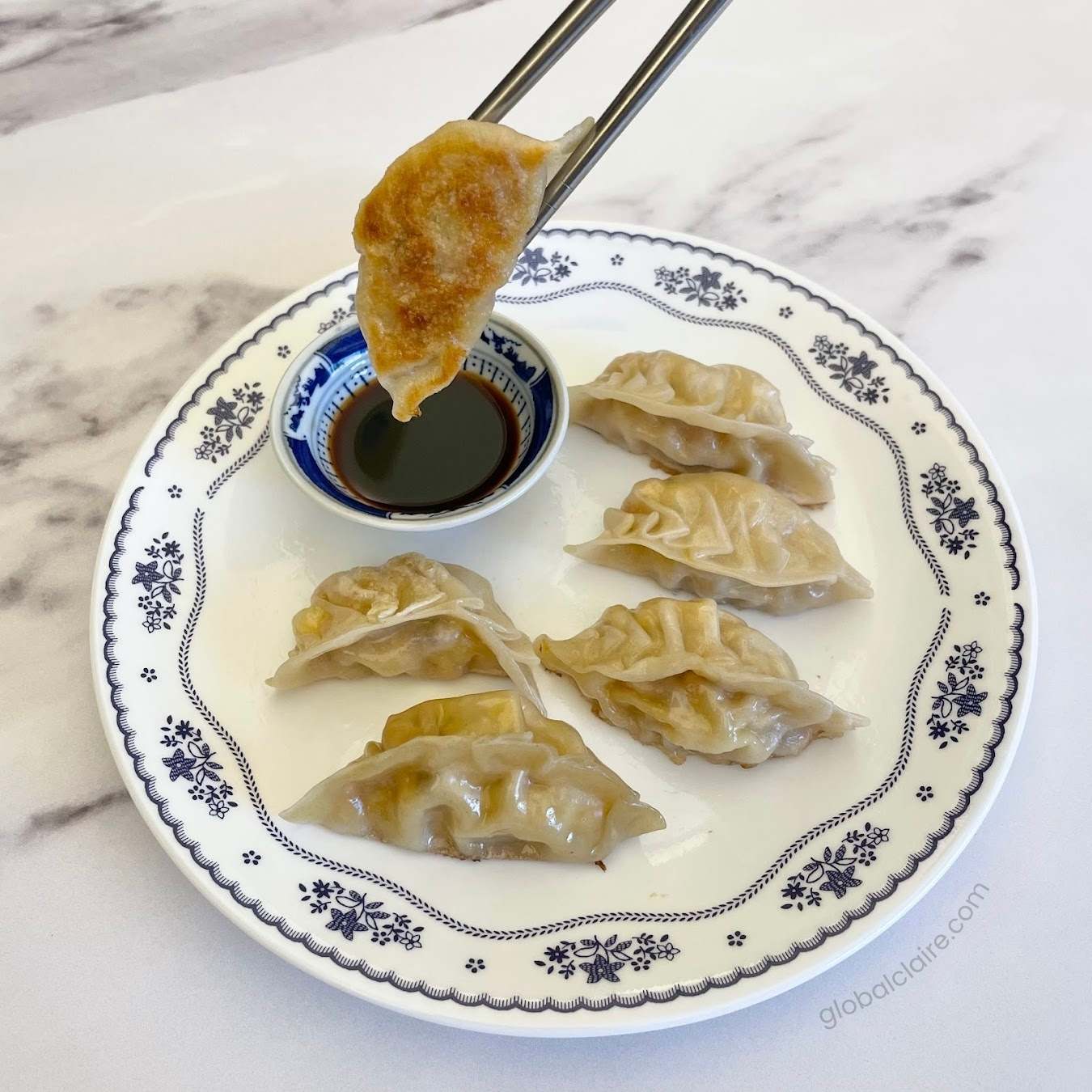
This filling also works well for making gyoza / potstickers, like in my Pan-Fried Vegetable Dumplings recipe.

What’s special about this recipe?
To ensure we get a cohesive, non-crumbly filling, we’re going to:
- Cook the vegetables and add it to a food processor with the tofu
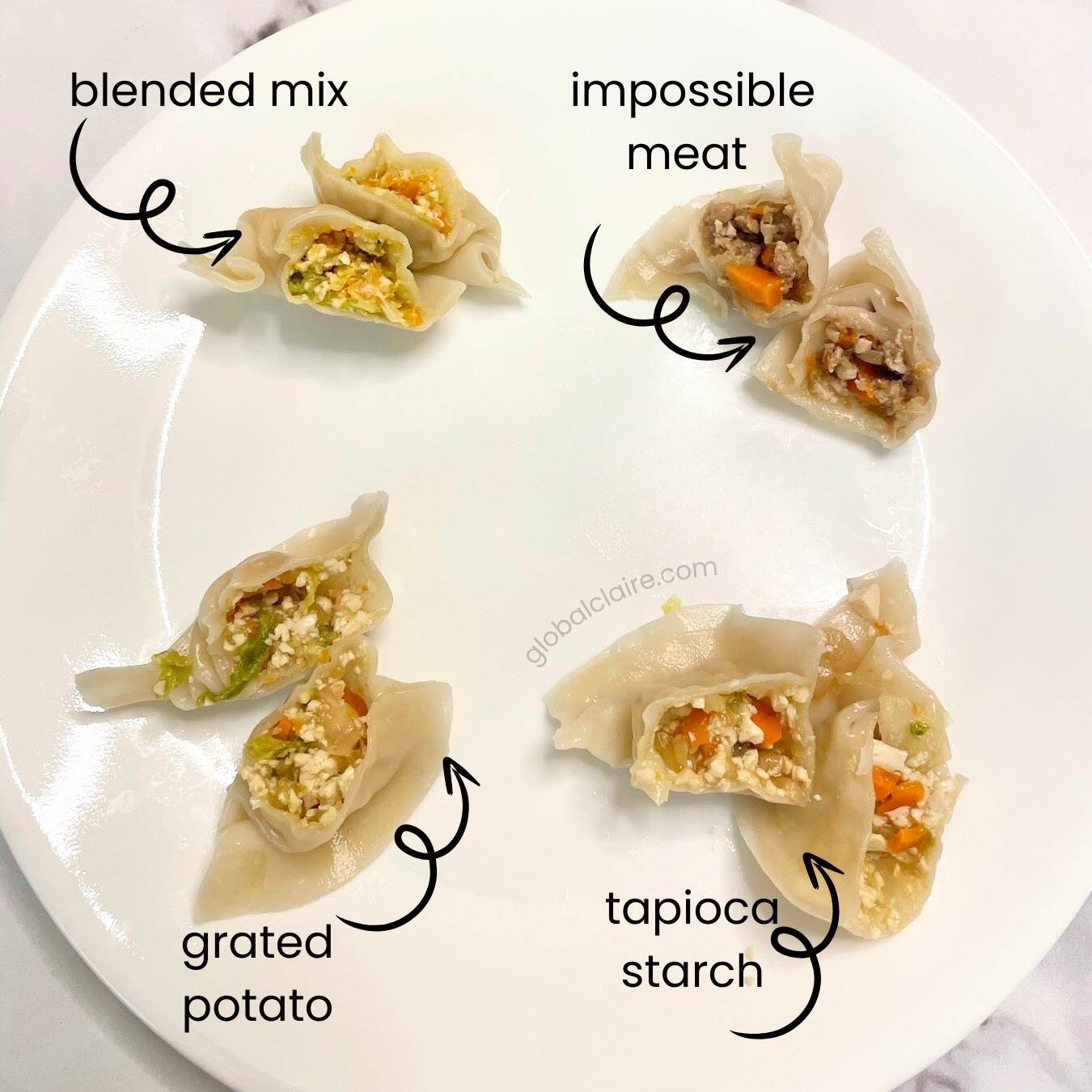
- Blend ¼ – ⅓ of the filling and add it back so the mixture binds together better
I recommend starting off with blending ¼ of the filling and mixing it back in. If it looks too crumbly, blend a bit more and mix it back in. We want a balance between a mixture that is binded together well, but not so blended that it’s mushy.
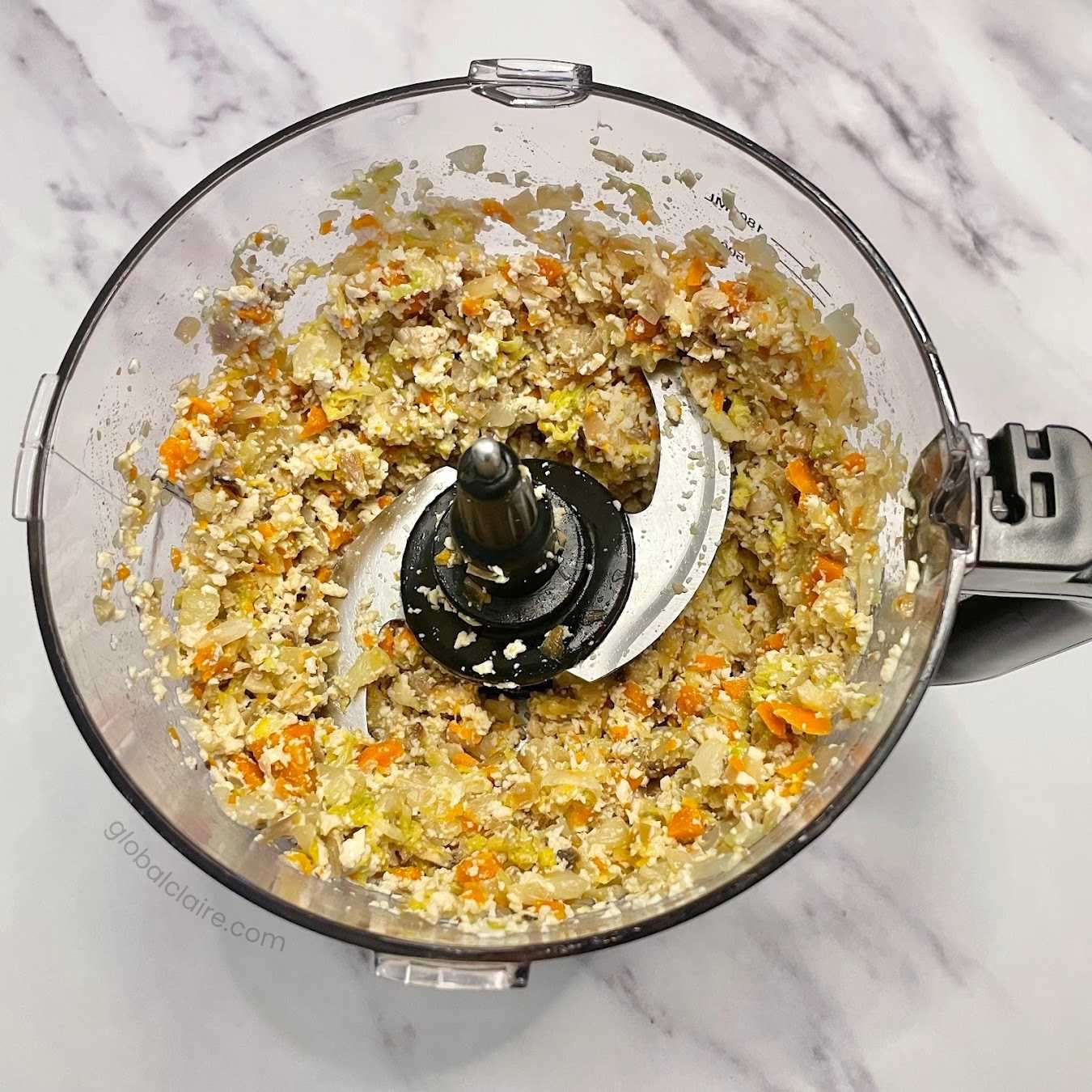
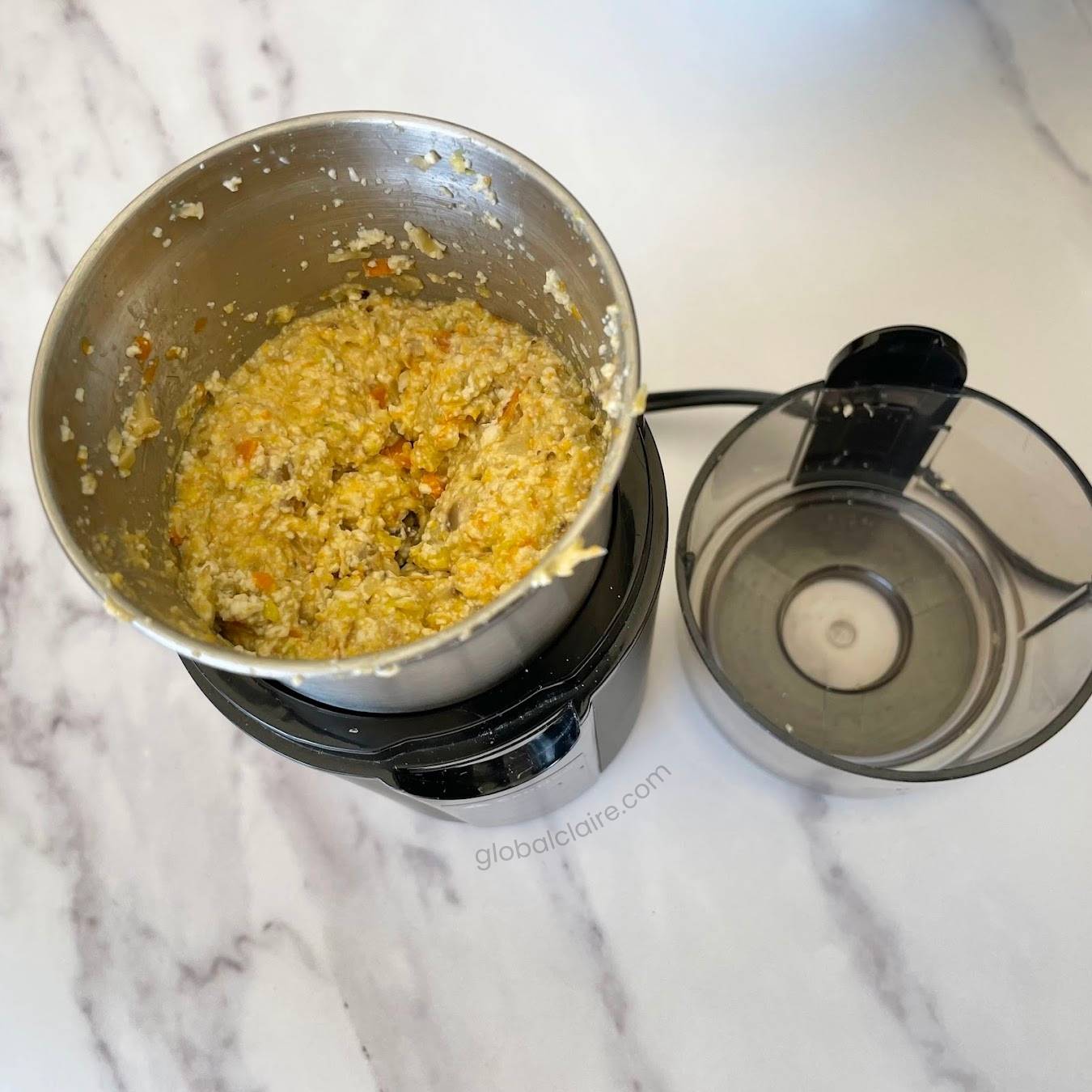
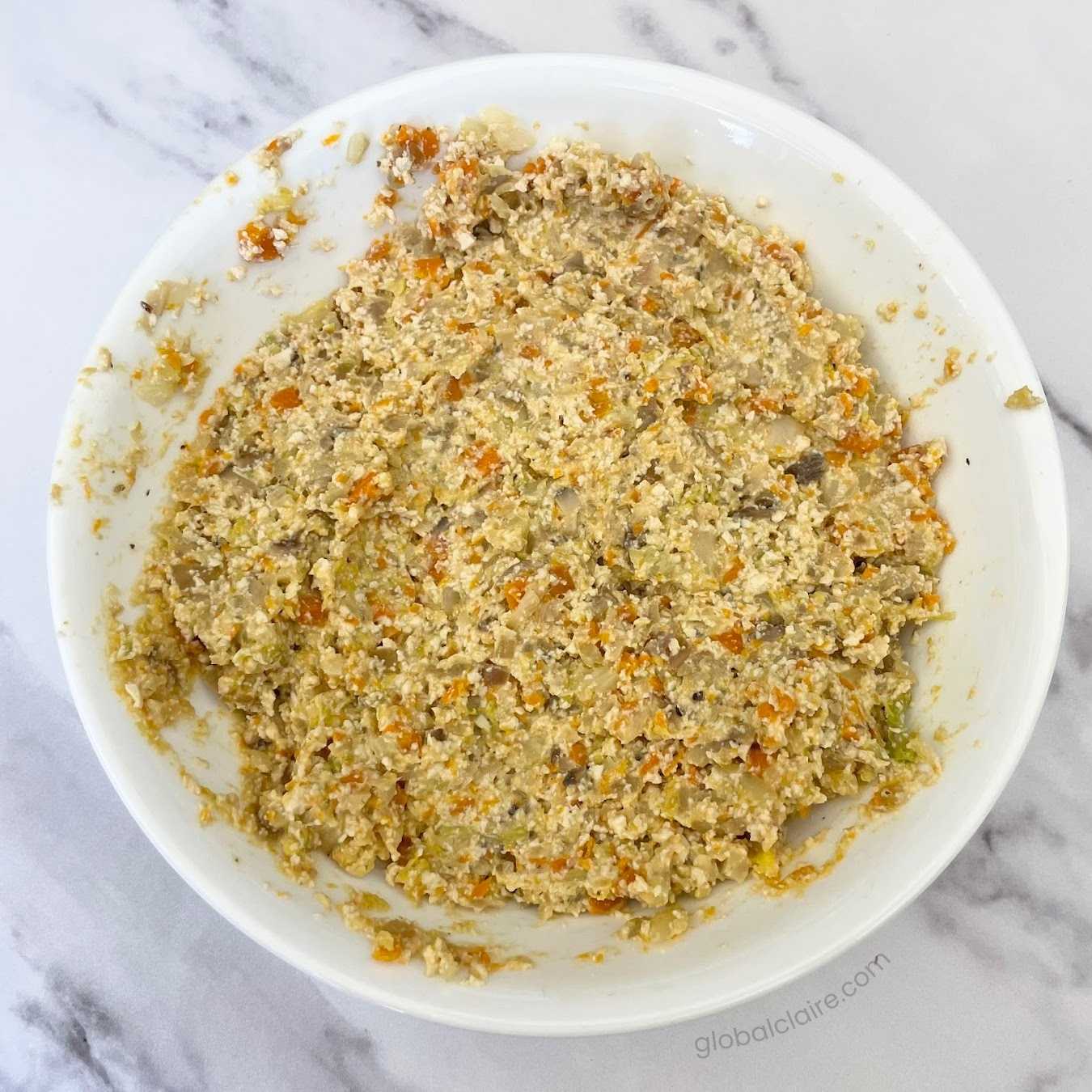
I will be using a spice grinder to blend the filling because it works better for blending small quantities.
You can read more about the different methods/ingredients I tried for improving binding:
Ingredient notes:
Firm tofu: Any tofu that is labeled “firm” and packaged with water will work. Don’t use silken or soft tofu – they have too high of a water content and will be too mushy. Don’t use tofu that is not packed with water (like the “super” firm tofu), as these will be too crumbly.
Shiitake mushrooms: I recommend using dried shiitake mushrooms as they will have more flavor. Adding in these mushrooms will add texture and umami. To rehydrate, soak in just boiled hot water for at least 30 minutes.
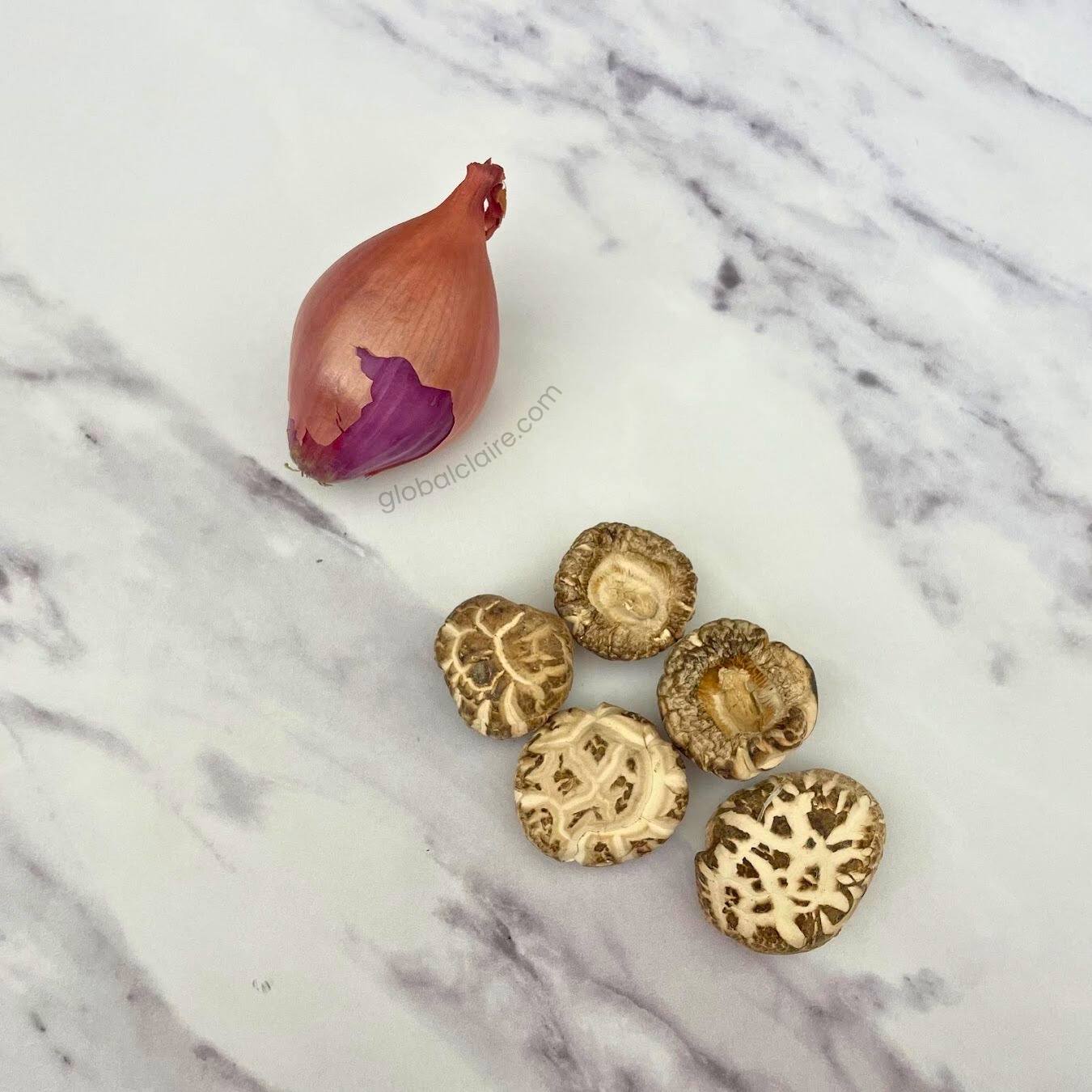
You can substitute out the carrots/cabbage/add in additional fillings (such as mung bean noodles, corn, wood-ear mushrooms) as you wish. I recommend reducing the quantity of other vegetable fillings to keep the ratio of tofu the same – the tofu acts as a critical binder, so don’t skip this. I do not recommend removing the shallot – this adds vital flavor to the wontons as well.
For the vegetables, we will be using the food processor at the end. You only need to roughly chop it for cooking.
Wonton wrappers: Although these can be made from scratch and taste better when fresh, it’s very time consuming. If it’s your first time making wontons/working with dumpling wrappers in general, I recommend using store-bought wrappers so that you can focus on the filling and perfect your wrapping skills.
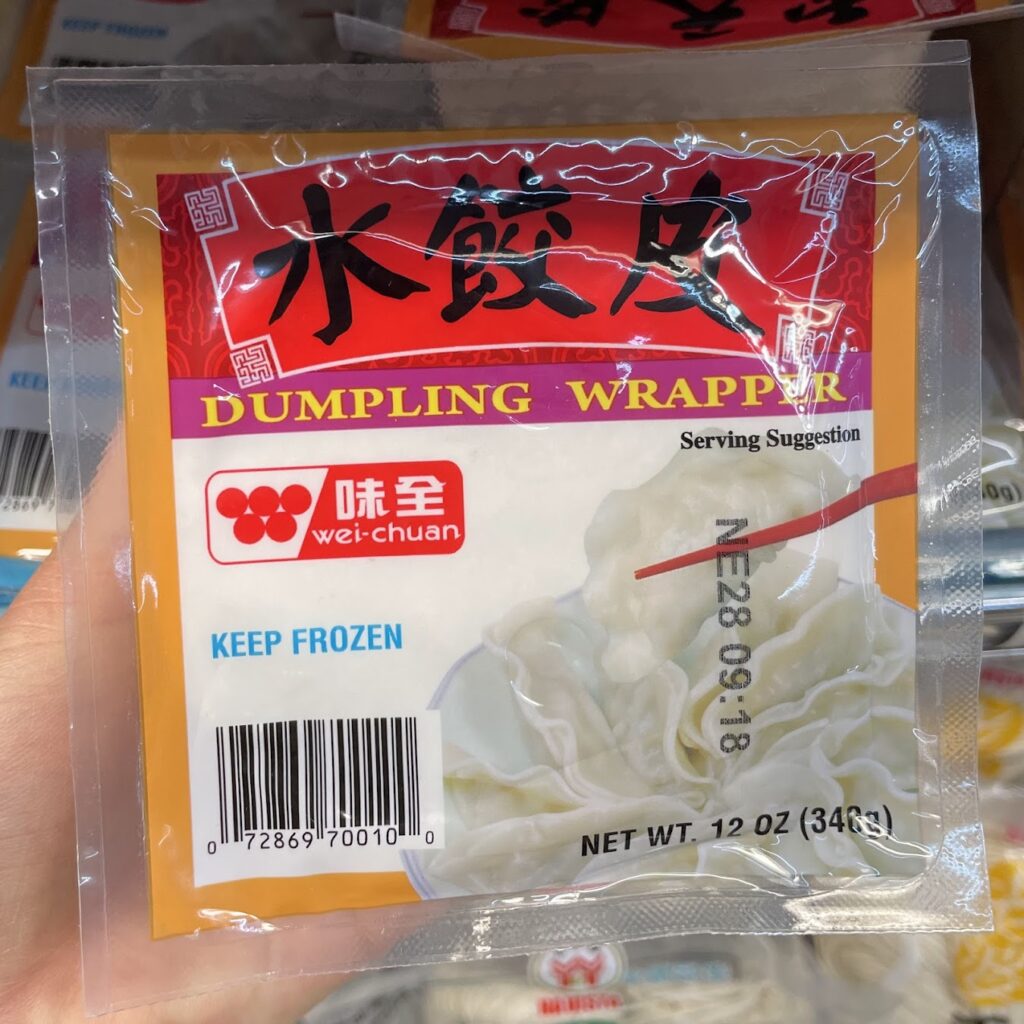
This is the brand I usually buy, and the “dumpling” style wrappers are vegan. If you are vegan – note that most dumpling wrappers labeled for wontons will contain egg.
I like using this brand because it’s a bit thicker. I don’t recommend buying any wrappers labeled “thin”, as these will likely be too thin and crack when cooking, causing the filling to spill out. In addition, as most of these wrappers have likely been sitting at the store for a while, they could be dried out and will cause your wontons to crack, too. I’ve used this brand a few times and haven’t had any issues.
I also prefer buying circle wrappers as I can use them to make gyoza/potstickers, too.
This recipe will make approximately enough filling for one package of dumpling wrappers (usually 30-40 wrappers are in a pack).
Wonton wrapping
First, I recommend using a baking tray and lining it (I’m using a reusable silicone liner). You will then want to dust the liner with cornstarch so the wontons won’t stick.
In order to get the wrapper to stick to itself when folded, you’ll need to add water around the inner circumference of the wrapper. I recommend having a towel and small bowl of water next to you while you wrap. Any part of the wrapper that you get wet will get sticky, so dry your hands after wetting the circumference and/or adding the filling.
There are many ways to fold wontons, but in my opinion, this is the easiest:
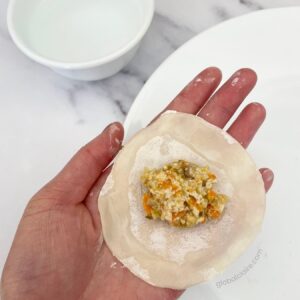
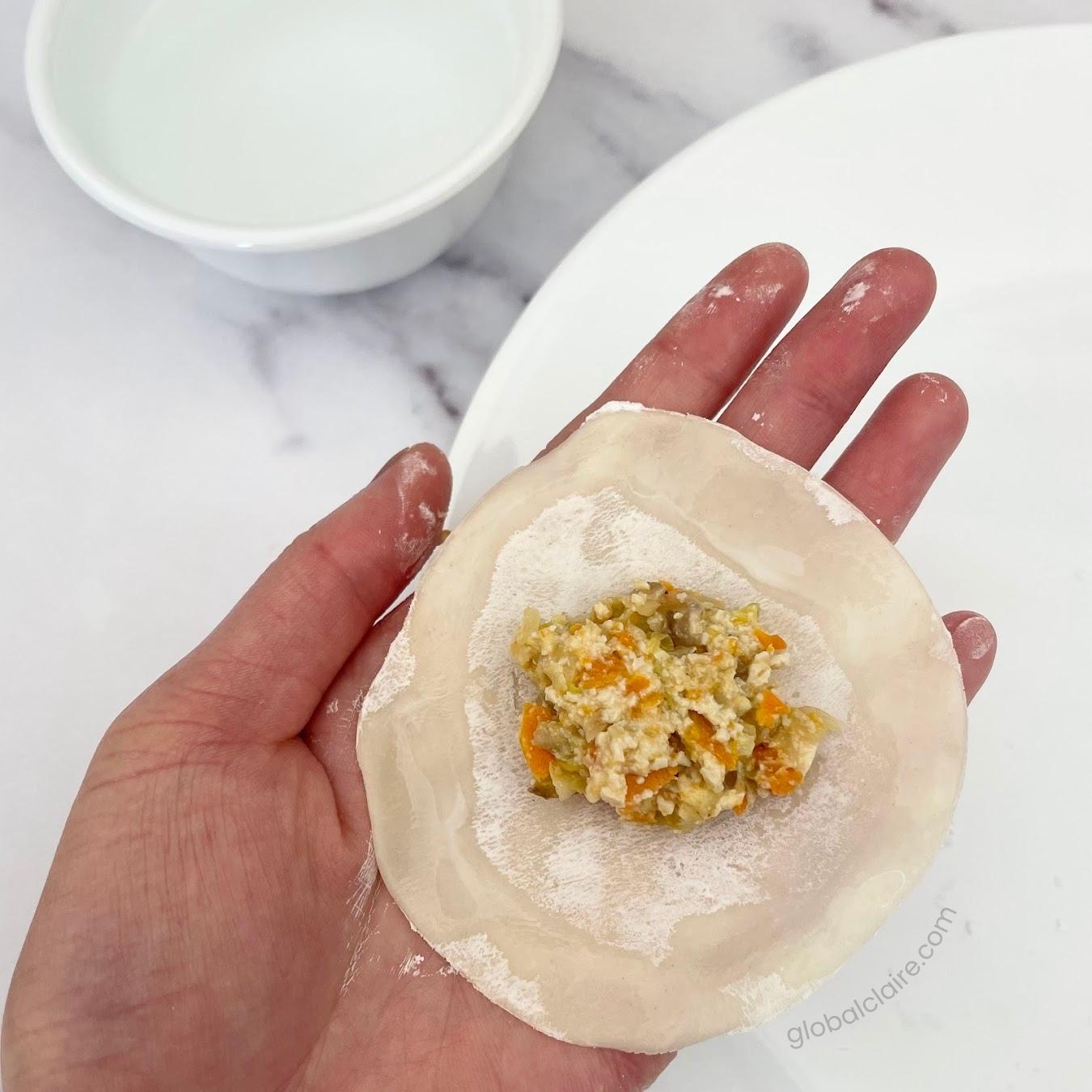
1: Add about 1 tbsp of filling to a wrapper.
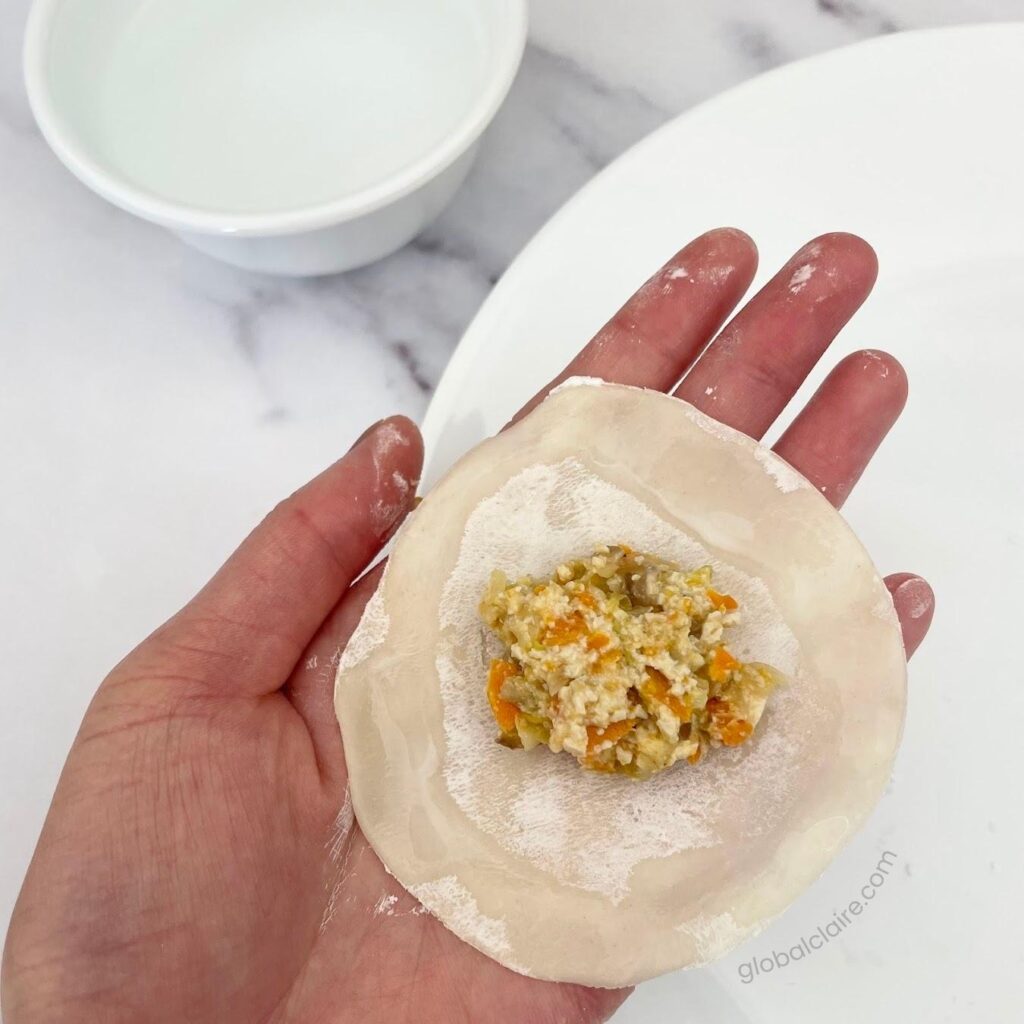
2: Add water to the outer circumference of the wrapper.
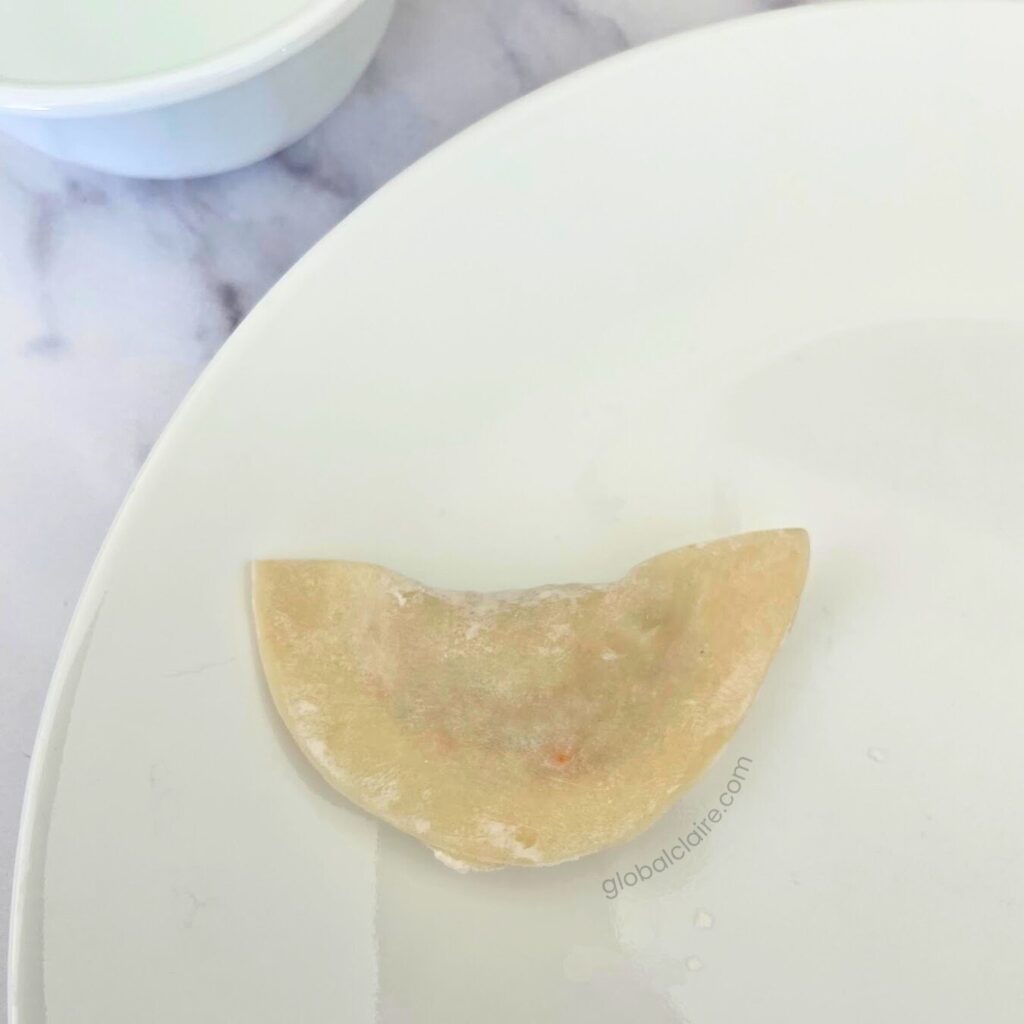
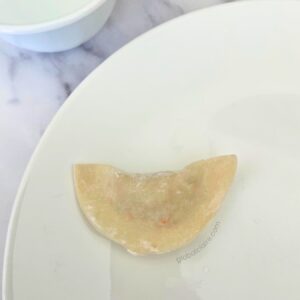
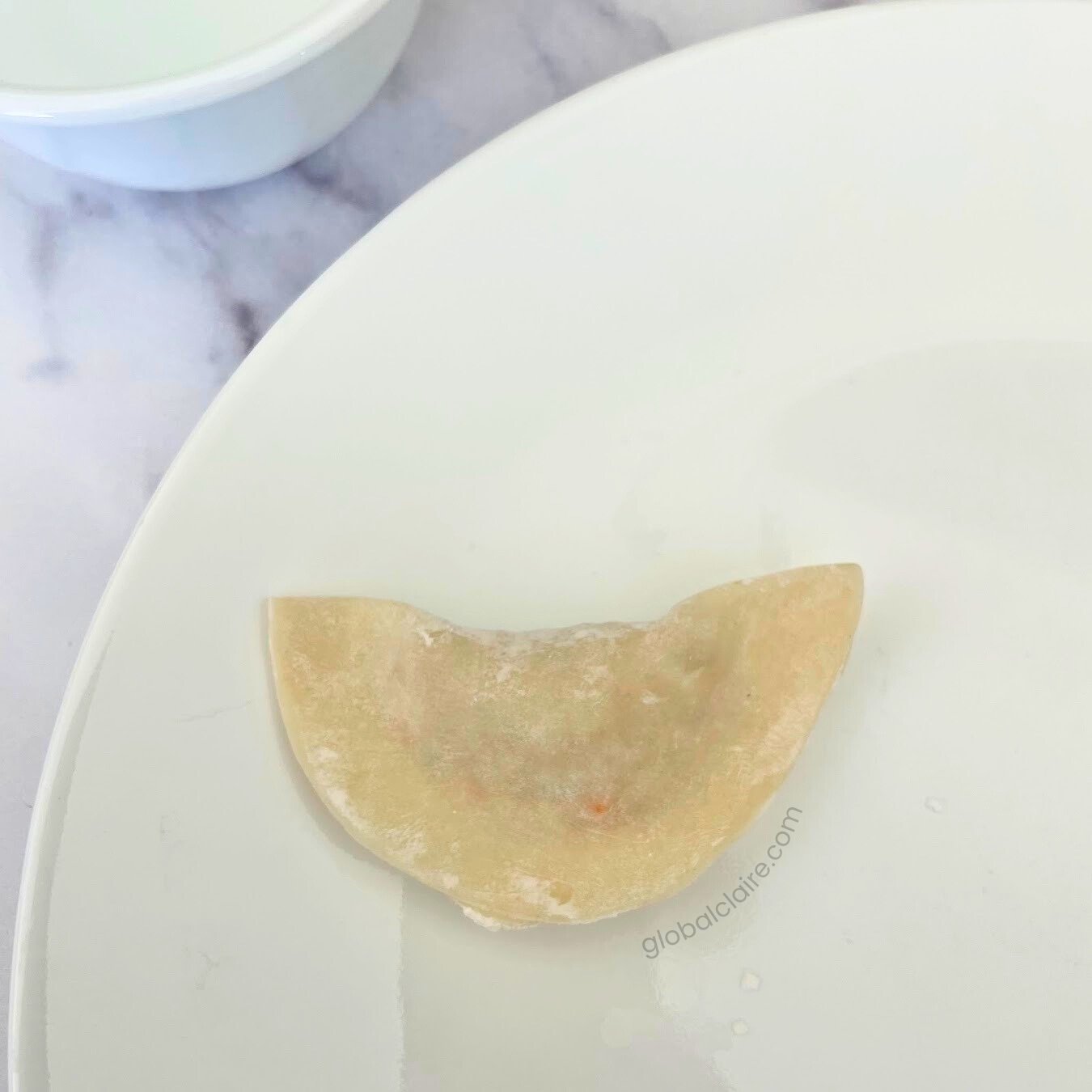
3: Fold in half, squeezing out any air bubbles.
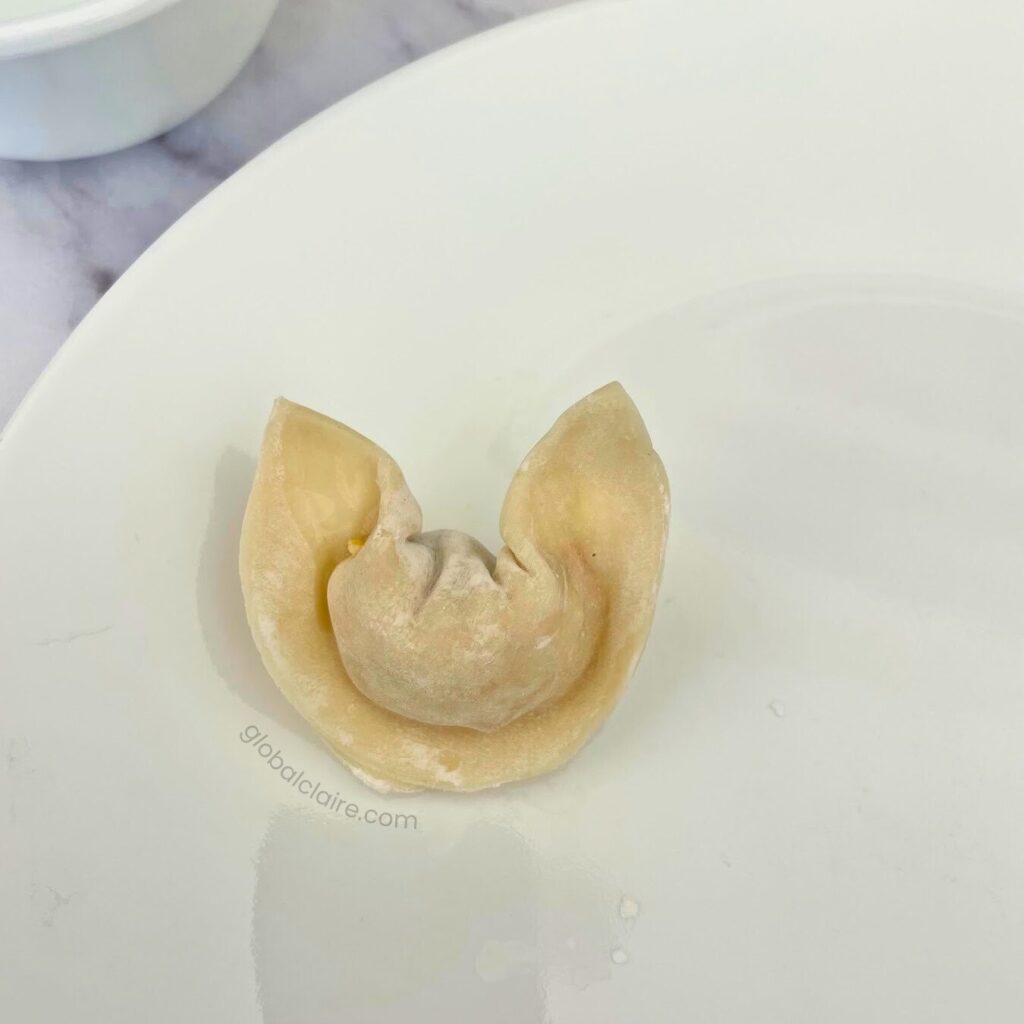
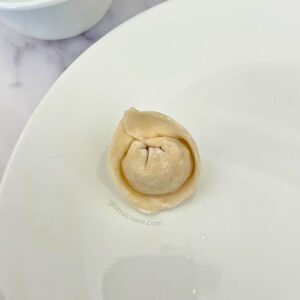
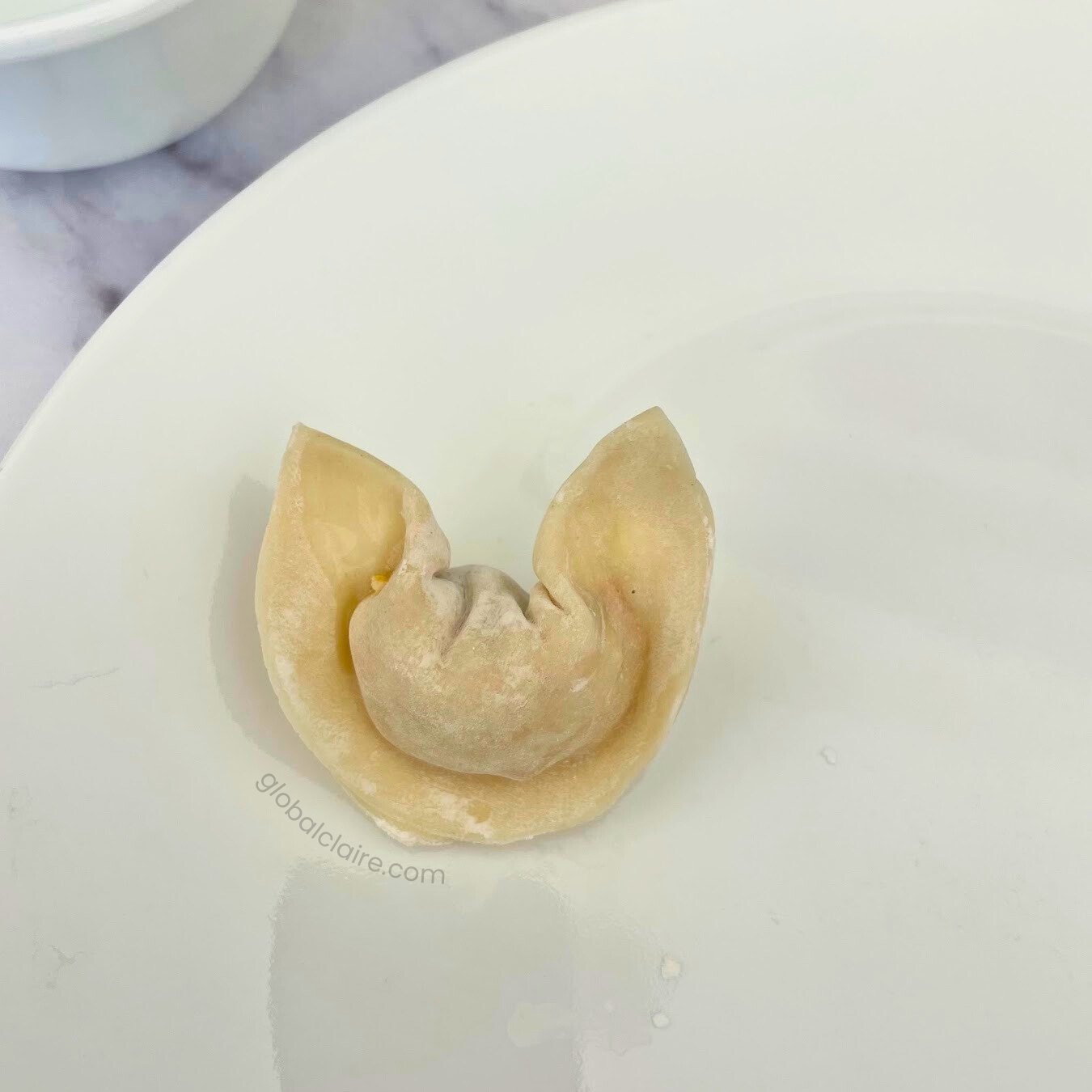
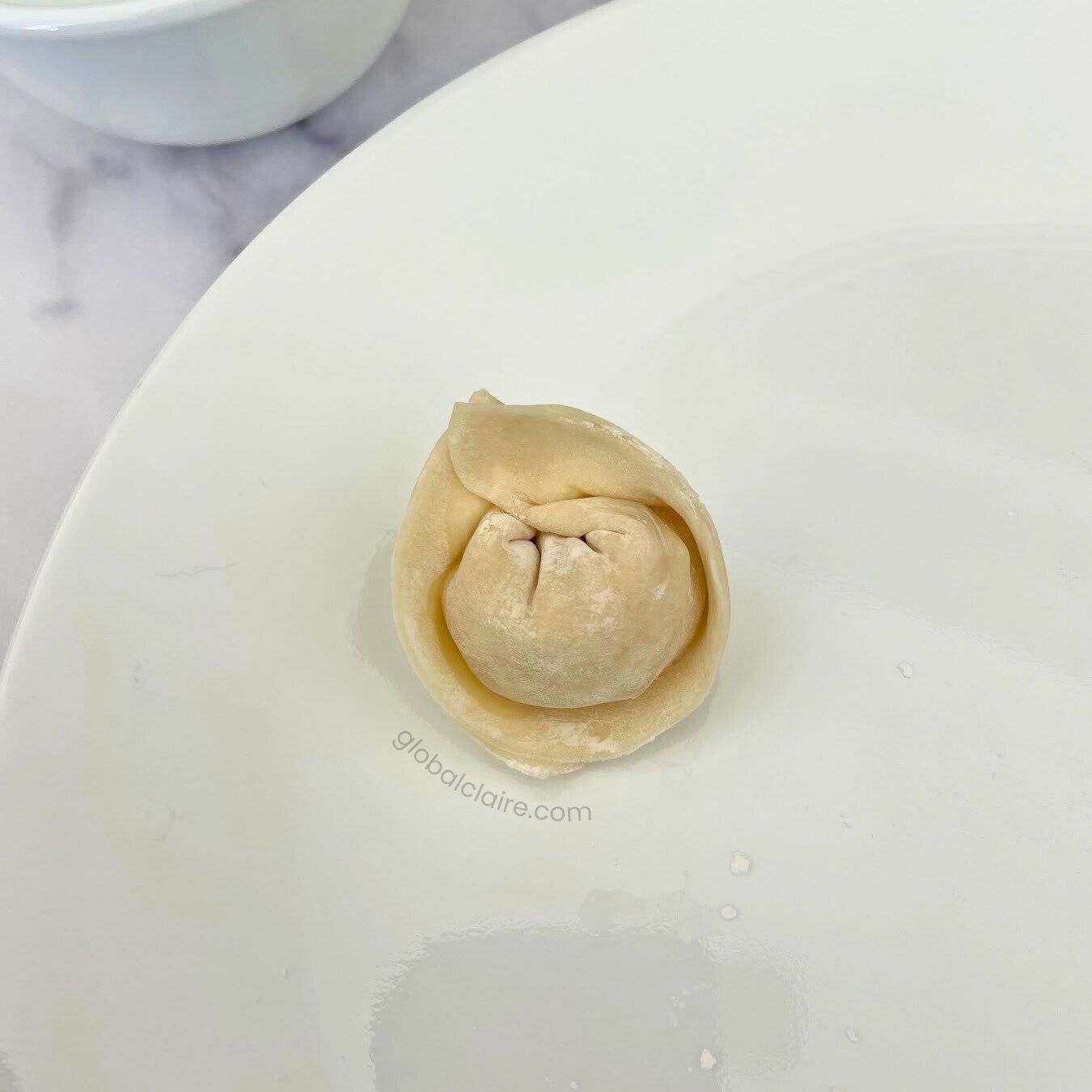
4: Add some water to one end of the wrapper and fold the ends towards each other and connect together.
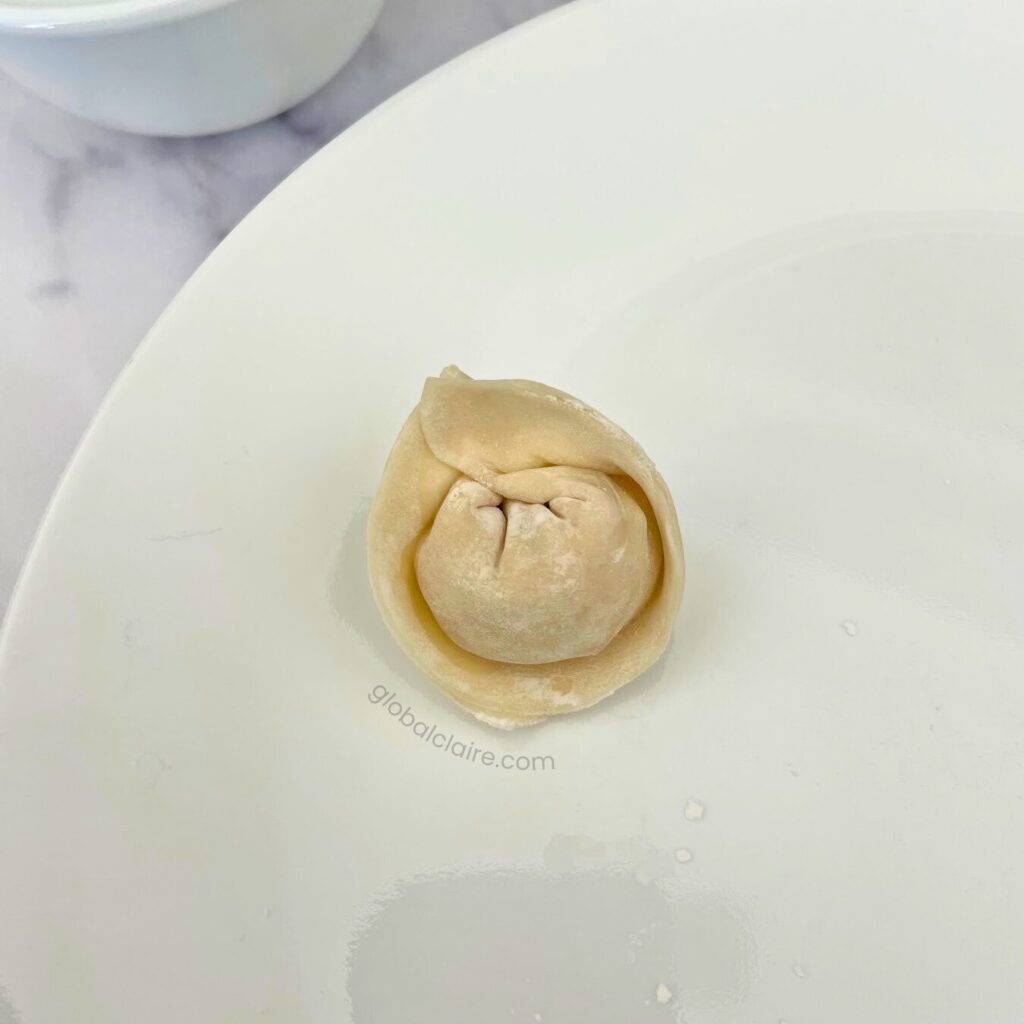
Done!
Cover the wrapped wontons with a dry kitchen towel while you’re wrapping the rest of them so they don’t dry out (dried out wrappers = risk of cracking).
Can you freeze these wontons?
Yes! To freeze them:
- Put the baking tray in your freezer. Your tray should be flat in the freezer, and no wontons should be touching each other.
- Cover with a dry kitchen towel.
- Let freeze for a few hours until the wontons are mostly frozen.
- After this, you can transfer to the container/bag you are going to store them in the freezer with.
Recipe Card

Tofu and Vegetable Wontons (Vegan)
Ingredients
- 1 package dumpling wrappers (homemade or store-bought, about 30-40)
- 7 oz firm tofu (about 1/2 block, pressed)
- 3 garlic cloves (pressed/finely minced)
- 350 grams napa cabbage (about 1/4 of a large napa cabbage)
- 1 large carrot with skin peeled off
- 1 large shallot
- 4-6 dried shiitake mushrooms (rehydrated)
- 2 tsp mushroom seasoning (divided into 1 tsp + 1 tsp)
- 3 tsp soy sauce (divided into 2 tsp + 1 tsp)
- 1.5 tsp sesame oil (divided into 1 tsp + 0.5 tsp)
Soup for serving wontons optional
Instructions
Making the filling
- Add just boiled kettle water to your shiitake mushrooms and let soak for at least 30 minutes. You can also soak the night before.
- Press your tofu by laying between 2 plates with something slightly heavy on the top plate.
- Add your napa cabbage to a bowl and sprinkle some salt. Let sit for at least 20 minutes for the water to come out of the cabbage.
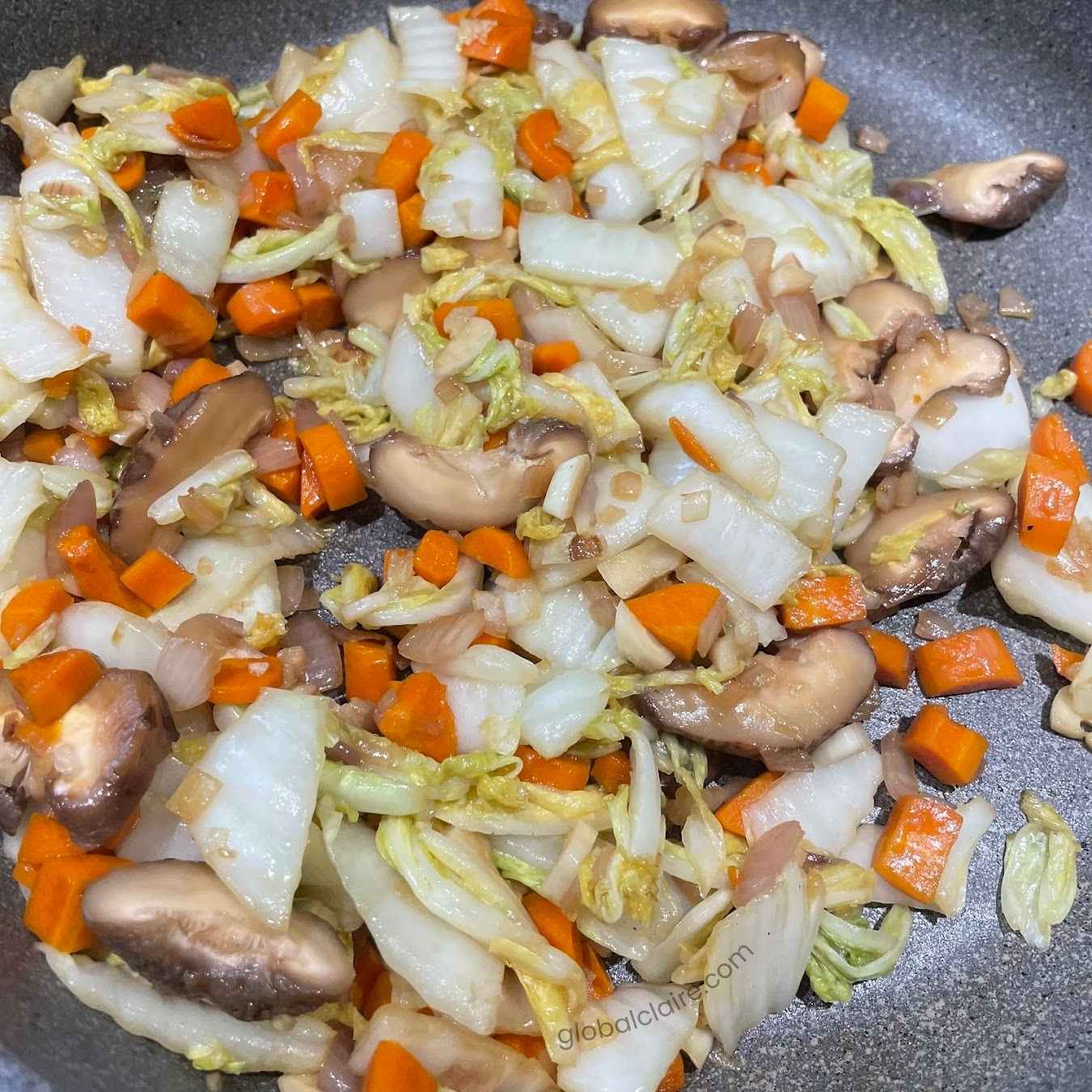
- Roughly chop your garlic, carrot, napa cabbage, shallot, and shiitake mushrooms. We’ll be cooking the ingredients then putting them in a food processor, so you don’t need to chop finely.
- After 20 minutes, squeeze out the excess water from the cabbage.
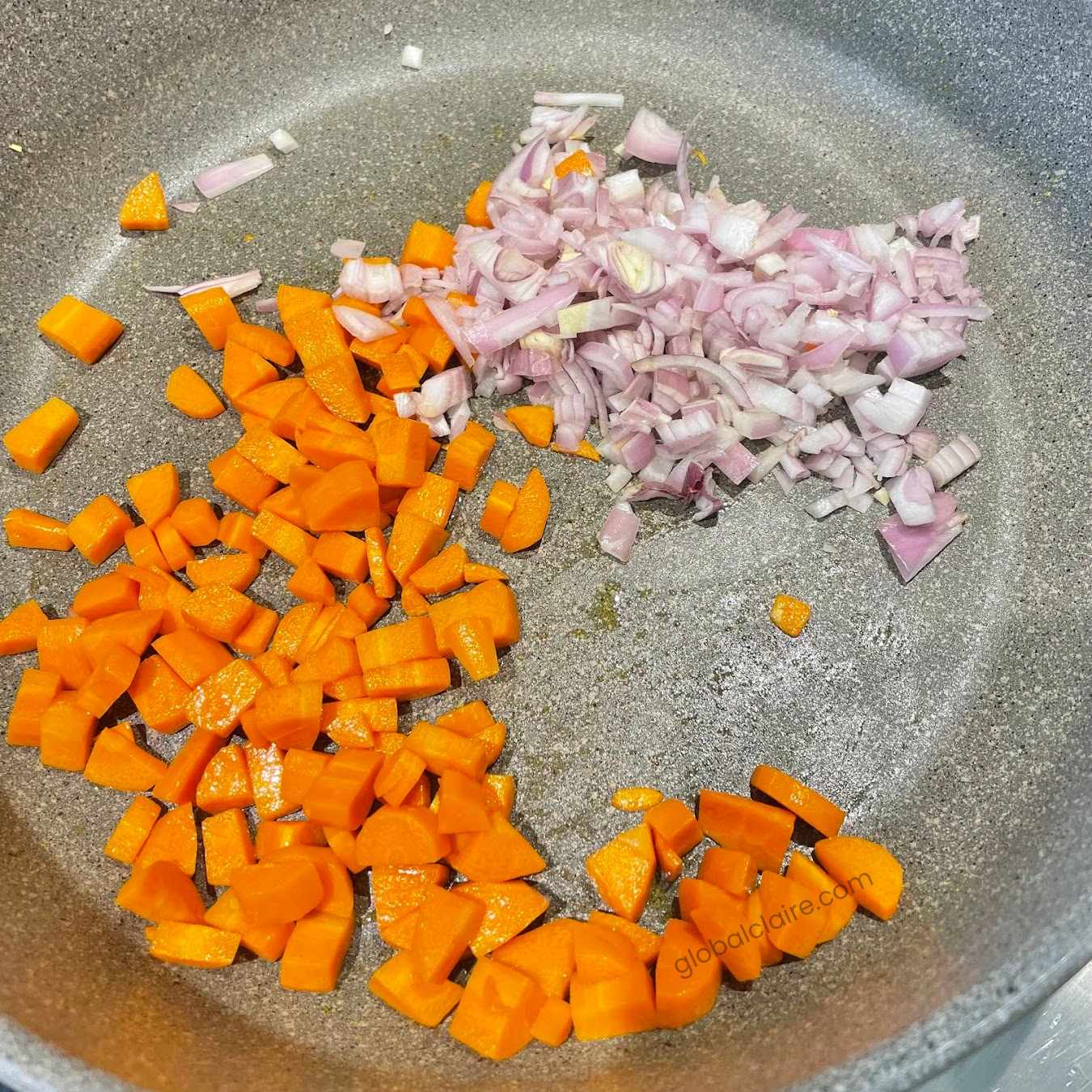
- In a pan at medium heat, add about 2 tsp of cooking oil and add your carrots. Sprinkle a bit of salt. Let cook for a few minutes.
- When the carrots and shallots are starting to brown, add your garlic and cook for 1 minute.
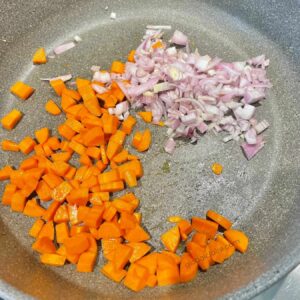
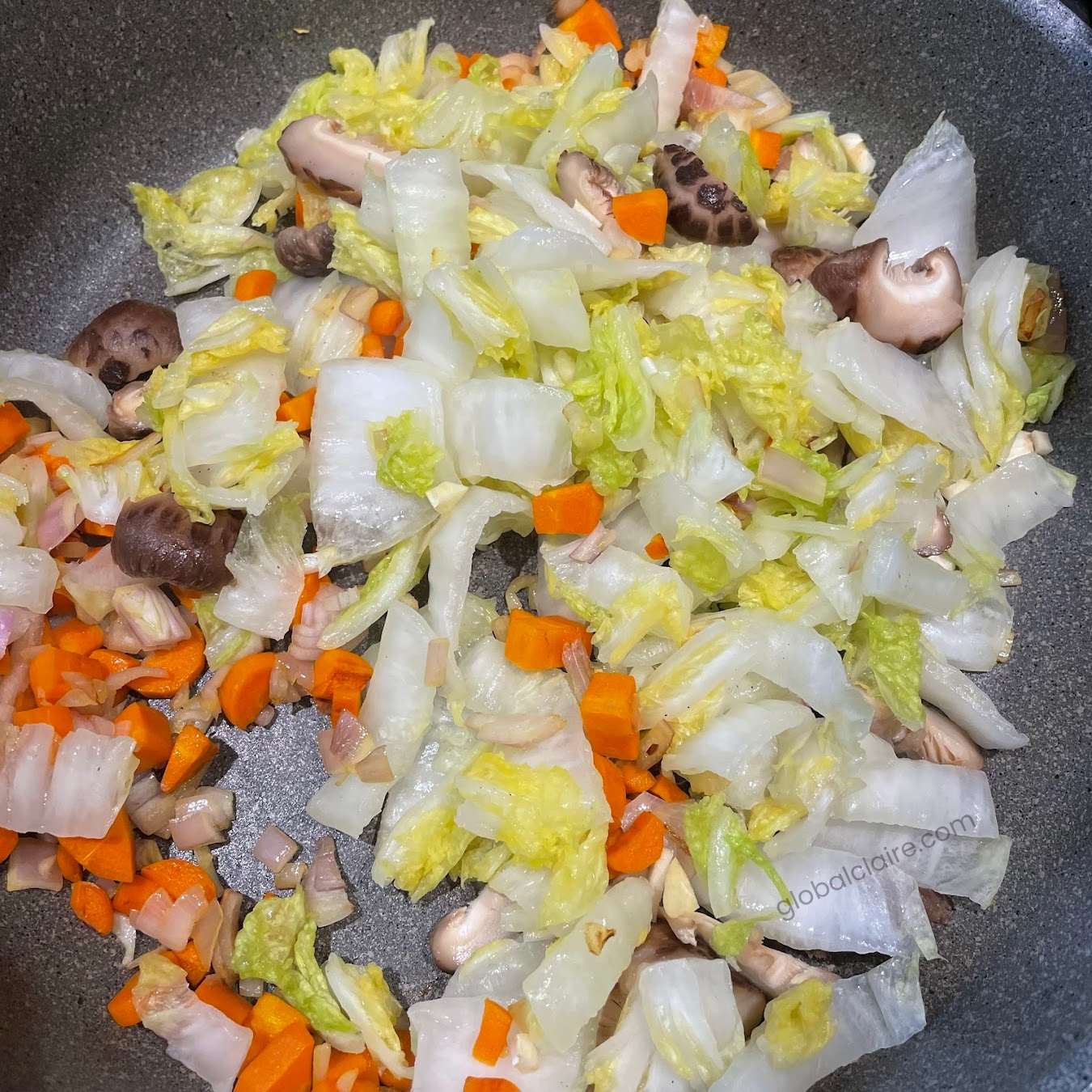
- Add in the shiitake mushrooms and drained cabbage and stir for 2 minutes, or until most of the liquid has evaporated.
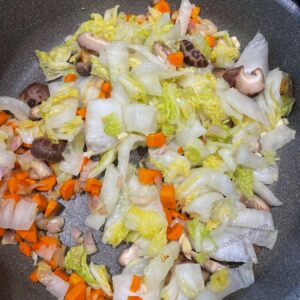
- Add the first batch of seasonings – 1 tsp mushroom seasoning, 2 tsp soy sauce, and 1 tsp of sesame oil to the pan. Stir through and let cook for 2 minutes to allow the vegetables to absorb the seasonings.
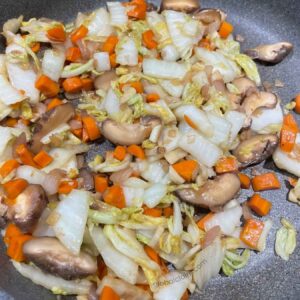
- Turn off the heat and set aside to let cool before adding to your food processor.
- Drain the excess water from your pressed tofu. To remove even more water – dry the tofu with a towel.
- Add the vegetables to the food processor along with your pressed tofu.
- Process until the mixture is crumbly, but not a paste.
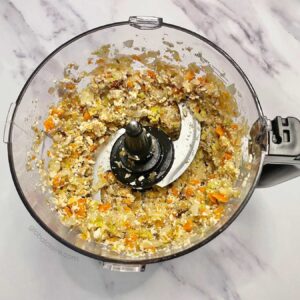
- Remove about ¼ of the mixture and into either a spice grinder or blender. Blend until a paste is formed, but not enough that it turns into a puree.
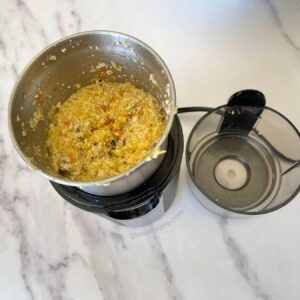
- Add the paste back to the other mixture along with the rest of the seasonings (1 tsp mushroom seasoning, 1 tsp soy sauce, and ½ tsp sesame oil), and mix. Taste, and add more seasonings as needed. If the filling still looks a bit crumbly, blend a bit more filling and mix back in.
- Mix the blended filling together with the base filling. Taste, and add more seasonings as needed. If the filling still looks a bit crumbly, blend a bit more filling and mix back in.
Wrapping the wontons
- Fill a small bowl with water. We’ll use this to bind the wrappers so the folds hold.
- Add about 1 tbsp of filling to a wrapper.
- Add water to the outer circumference of the wrapper.
- Fold in half, squeezing out any air bubbles.
- Add some water to one end of the wrapper.
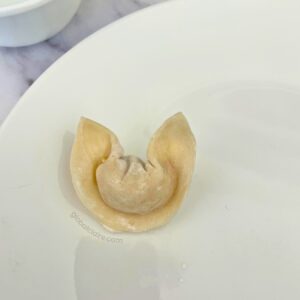
- Connect the ends of the wrappers together.
Cooking
- Bring water (or soup, if using) to a boil in a pot.
- Add your dumplings to the pot. Immediately stir so the wontons don’t stick to the bottom of the pot. Once the water is back to boiling, turn down the heat slightly so the water is not boiling too hard (this will avoid the wontons breaking).
- If fresh – boil for about 4-5 minutes, until the wonton skins are translucent and the wontons are floating on the surface. From frozen – about 7 minutes.
- Use a slotted spoon to transfer the wontons from the pot to your plate. Do not pour the wonton + water into a colander to drain as they are fragile.